Buy mlm1.eu ?
We are moving the project
mlm1.eu .
Are you interested in purchasing the domain
mlm1.eu ?
domain@kv-gmbh.de · 0541-91531010
Buy mlm1.eu ?
What are the problems when tensioning the cable tensioning set?
When tensioning the cable tensioning set, some common problems that may arise include over-tensioning, which can lead to damage or breakage of the cable. Under-tensioning can also be an issue, as it may not provide enough support or stability for the structure. Additionally, improper alignment or installation of the tensioning set can result in uneven tension distribution along the cable, causing potential safety hazards or structural instability. Regular maintenance and proper adjustment are essential to ensure the cable tensioning set functions effectively and safely. **
What are the problems when tensioning the wire rope tensioning set?
When tensioning a wire rope tensioning set, there are several potential problems that can arise. One common issue is over-tensioning, which can lead to excessive stress on the wire rope and cause it to fail prematurely. On the other hand, under-tensioning can result in inadequate support for the load, leading to potential safety hazards. Additionally, improper alignment of the tensioning set can cause uneven distribution of tension along the wire rope, leading to potential failure at certain points. It is important to carefully follow the manufacturer's guidelines and recommendations to ensure proper tensioning and avoid these problems. **

Similar search terms for Tensioning
Top-Angebote
Products related to Tensioning:


-
Why is the chain too tight after tensioning?
The chain may be too tight after tensioning because the tensioner was over-adjusted, causing the chain to be pulled too tightly. This can lead to excessive stress on the chain and sprockets, resulting in premature wear and potential damage. It is important to follow the manufacturer's guidelines for proper chain tension to ensure optimal performance and longevity of the chain drive system. **
-
What is the content of solvents in tensioning lacquer?
Solvents in tensioning lacquer typically consist of a mixture of organic solvents such as acetone, toluene, xylene, and ethyl acetate. These solvents help to dissolve the lacquer and make it easier to apply evenly on the surface. They also aid in the drying process by evaporating quickly, leaving a smooth and glossy finish. However, it is important to use these solvents in a well-ventilated area and follow safety precautions due to their volatile nature. **
-
What is the content of solvent in tensioning lacquer?
The content of solvent in tensioning lacquer is typically a mixture of volatile organic compounds (VOCs) such as alcohols, ketones, or esters. These solvents help to dissolve the resin and other solid components of the lacquer, allowing it to be applied smoothly and evenly. As the lacquer dries, the solvents evaporate, leaving behind a hard, protective coating on the surface. The specific type and amount of solvent used can vary depending on the desired properties of the lacquer, such as drying time, gloss level, and durability. **
-
How are the ends of the tensioning set tied?
The ends of the tensioning set are typically tied using a secure knot, such as a figure-eight knot or a double fisherman's knot. These knots are designed to hold under tension and are commonly used in climbing and rigging applications. It is important to ensure that the knots are properly tied and inspected for security before applying tension to the set. **
Where is the speed greatest when tensioning a spring?
The speed is greatest when tensioning a spring at the point where the force applied to the spring is at its maximum. This is typically at the beginning of the tensioning process when the spring is being stretched from its natural resting position. As the spring is stretched, the speed gradually decreases as the force required to continue stretching the spring increases. Therefore, the greatest speed occurs at the initial stage of tensioning the spring. **
Can't you find my tensioning screw for the train?
I'm sorry, I am not able to physically locate objects. However, I can help guide you on where to look for the tensioning screw. Have you checked the designated storage area for train parts? It's possible that the screw could be there. If not, you may want to ask other staff members or consult the train's maintenance manual for specific instructions on where the tensioning screw is located. **
Top-Angebote
Products related to Tensioning:
-
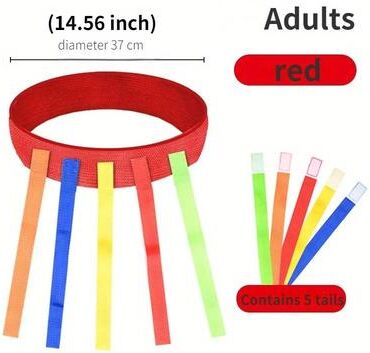
Uplift Essentials Kindergarten Catching Tail Training Belt Active Outdoor Teamwork Game For Kids adults redEncourage active play and social development with the Kindergarten Catching Tail Training Belt, the ultimate outdoor funny game toy belt for highenergy fun. This vibrant training equipment is designed to get children moving, helping them develop...35,97 $*Shipping: 0,00 $Secure redirect to the provider
-
What are the problems when tensioning the cable tensioning set?
When tensioning the cable tensioning set, some common problems that may arise include over-tensioning, which can lead to damage or breakage of the cable. Under-tensioning can also be an issue, as it may not provide enough support or stability for the structure. Additionally, improper alignment or installation of the tensioning set can result in uneven tension distribution along the cable, causing potential safety hazards or structural instability. Regular maintenance and proper adjustment are essential to ensure the cable tensioning set functions effectively and safely. **
-
What are the problems when tensioning the wire rope tensioning set?
When tensioning a wire rope tensioning set, there are several potential problems that can arise. One common issue is over-tensioning, which can lead to excessive stress on the wire rope and cause it to fail prematurely. On the other hand, under-tensioning can result in inadequate support for the load, leading to potential safety hazards. Additionally, improper alignment of the tensioning set can cause uneven distribution of tension along the wire rope, leading to potential failure at certain points. It is important to carefully follow the manufacturer's guidelines and recommendations to ensure proper tensioning and avoid these problems. **
-
Why is the chain too tight after tensioning?
The chain may be too tight after tensioning because the tensioner was over-adjusted, causing the chain to be pulled too tightly. This can lead to excessive stress on the chain and sprockets, resulting in premature wear and potential damage. It is important to follow the manufacturer's guidelines for proper chain tension to ensure optimal performance and longevity of the chain drive system. **
-
What is the content of solvents in tensioning lacquer?
Solvents in tensioning lacquer typically consist of a mixture of organic solvents such as acetone, toluene, xylene, and ethyl acetate. These solvents help to dissolve the lacquer and make it easier to apply evenly on the surface. They also aid in the drying process by evaporating quickly, leaving a smooth and glossy finish. However, it is important to use these solvents in a well-ventilated area and follow safety precautions due to their volatile nature. **
Similar search terms for Tensioning
-
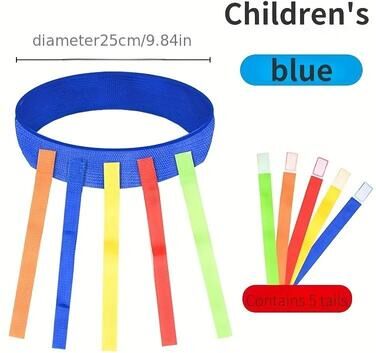
Uplift Essentials Kindergarten Catching Tail Training Belt Active Outdoor Teamwork Game For Kids children blueEncourage active play and social development with the Kindergarten Catching Tail Training Belt, the ultimate outdoor funny game toy belt for highenergy fun. This vibrant training equipment is designed to get children moving, helping them develop...34,97 $*Shipping: 0,00 $Secure redirect to the provider
-
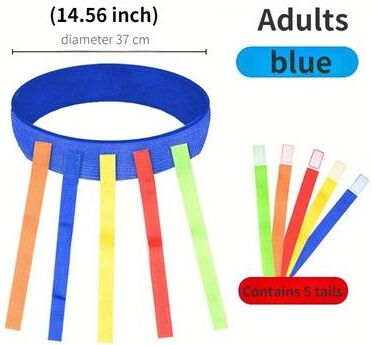
Uplift Essentials Kindergarten Catching Tail Training Belt Active Outdoor Teamwork Game For Kids adults blueEncourage active play and social development with the Kindergarten Catching Tail Training Belt, the ultimate outdoor funny game toy belt for highenergy fun. This vibrant training equipment is designed to get children moving, helping them develop...35,97 $*Shipping: 0,00 $Secure redirect to the provider
-
What is the content of solvent in tensioning lacquer?
The content of solvent in tensioning lacquer is typically a mixture of volatile organic compounds (VOCs) such as alcohols, ketones, or esters. These solvents help to dissolve the resin and other solid components of the lacquer, allowing it to be applied smoothly and evenly. As the lacquer dries, the solvents evaporate, leaving behind a hard, protective coating on the surface. The specific type and amount of solvent used can vary depending on the desired properties of the lacquer, such as drying time, gloss level, and durability. **
-
How are the ends of the tensioning set tied?
The ends of the tensioning set are typically tied using a secure knot, such as a figure-eight knot or a double fisherman's knot. These knots are designed to hold under tension and are commonly used in climbing and rigging applications. It is important to ensure that the knots are properly tied and inspected for security before applying tension to the set. **
-
Where is the speed greatest when tensioning a spring?
The speed is greatest when tensioning a spring at the point where the force applied to the spring is at its maximum. This is typically at the beginning of the tensioning process when the spring is being stretched from its natural resting position. As the spring is stretched, the speed gradually decreases as the force required to continue stretching the spring increases. Therefore, the greatest speed occurs at the initial stage of tensioning the spring. **
-
Can't you find my tensioning screw for the train?
I'm sorry, I am not able to physically locate objects. However, I can help guide you on where to look for the tensioning screw. Have you checked the designated storage area for train parts? It's possible that the screw could be there. If not, you may want to ask other staff members or consult the train's maintenance manual for specific instructions on where the tensioning screw is located. **
* All prices are inclusive of VAT and, if applicable, plus shipping costs. The offer information is based on the details provided by the respective shop and is updated through automated processes. Real-time updates do not occur, so deviations can occur in individual cases. ** Note: Parts of this content were created by AI.