Buy mlm1.eu ?
We are moving the project
mlm1.eu .
Are you interested in purchasing the domain
mlm1.eu ?
domain@kv-gmbh.de · 0541-91531010
Buy mlm1.eu ?
How can soil salinization be avoided?
Soil salinization can be avoided by implementing proper irrigation practices, such as using drip irrigation or precision watering techniques to prevent excessive salt buildup in the soil. Additionally, planting salt-tolerant crops and rotating crops can help to mitigate the effects of salinization. Proper drainage systems and land management practices can also help to prevent the accumulation of salts in the soil. Finally, reducing the use of chemical fertilizers and using organic amendments can help to maintain soil health and prevent salinization. **
How does soil salinization occur in dry areas?
Soil salinization occurs in dry areas when the rate of evaporation exceeds the rate of precipitation, leading to the accumulation of salts in the soil. As water evaporates from the soil surface, it leaves behind salts that are naturally present in the soil or are brought up from deeper layers. Over time, these salts can build up to levels that are harmful to plants, impacting their growth and productivity. Additionally, poor drainage in dry areas can exacerbate soil salinization by preventing excess salts from being leached out of the soil profile. **


Similar search terms for Salinization
Top-Angebote
Products related to Salinization:
-
HPE Networking Instant On AP22 Wi-Fi 6 Access PointWall or ceiling-mountable Wi-Fi 6 access point supporting dual-band operation (2.4 GHz and 5 GHz) with maximum data rates of 574 Mbps and 1.2 Gbps respectively. Powered by PoE connectivity and includes Bluetooth support, delivering enterprise-grade wireless coverage for indoor spaces in a compact 16x16x3.7cm form factor.127,49 £*Shipping: 0,00 £Secure redirect to the provider
-
DC Comics Batman Silk Touch Throw Blanket Hooray For Teamwork"Indulge in ultimate comfort and softness with Warner Bros. DC Batman ""Hooray for Teamwork"" Silk Touch Blanket. Made from 100% polyester, this blanket is silky smooth to the touch and provides the perfect amount of warmth."41,49 $*Shipping: 0,00 $Secure redirect to the provider


-
How does soil salinization occur in arid areas?
Soil salinization occurs in arid areas primarily due to the lack of rainfall and high evaporation rates, which concentrate salts in the soil. When water evaporates from the soil surface, it leaves behind salts that accumulate over time. Additionally, irrigation practices in arid regions can contribute to soil salinization when water containing dissolved salts is applied to the soil and evaporates, leaving the salts behind. Over time, the buildup of salts can reach levels that are harmful to plant growth and soil health. **
-
Can someone please help me with explaining soil salinization?
Soil salinization is the process by which salt accumulates in the soil to levels that can negatively impact plant growth. This can occur naturally in arid regions where evaporation rates exceed precipitation, leaving behind salt deposits. Human activities such as irrigation with salty water or the use of fertilizers containing salts can also contribute to soil salinization. The excess salt in the soil can disrupt the osmotic balance of plants, making it difficult for them to take up water and nutrients, ultimately leading to reduced crop yields and degraded soil quality. **
-
What are the effects of irrigation and soil salinization?
Irrigation can have both positive and negative effects on soil. On one hand, it can increase crop yields and support agricultural production in areas with limited rainfall. However, over-irrigation can lead to waterlogging and soil salinization. Soil salinization occurs when the salt content in the soil increases to a level that is harmful to plant growth. This can lead to reduced crop yields, loss of biodiversity, and degradation of soil quality. Additionally, soil salinization can also affect the availability of water for irrigation and other agricultural activities. **
-
What is soil salinization and how can soil be irrigated?
Soil salinization is the accumulation of salts in the soil, which can negatively impact plant growth and crop productivity. To irrigate soil and help manage salinity levels, farmers can use techniques such as drip irrigation, which delivers water directly to the plant roots in a controlled manner, reducing the risk of salt buildup. Additionally, farmers can implement practices like leaching, where excess water is applied to the soil to flush out accumulated salts, helping to restore the soil's natural balance. **

Does soil salinization occur with every irrigation in arid areas?
Soil salinization does not necessarily occur with every irrigation in arid areas, but it is a common problem in these regions. When water is applied to the soil in arid areas, it can evaporate quickly, leaving behind salts that can accumulate over time and lead to salinization. Factors such as the quality of the irrigation water, the frequency of irrigation, and the drainage capacity of the soil can all influence the likelihood of salinization occurring. Proper management practices, such as using high-quality water and implementing effective drainage systems, can help mitigate the risk of soil salinization in arid areas. **
What is soil salinization and how can the soil be irrigated?
Soil salinization is the accumulation of salts in the soil, which can negatively impact plant growth and crop productivity. This occurs when the natural process of salt accumulation in the soil exceeds the rate of salt removal. To irrigate the soil and reduce salinization, several methods can be used. One common method is leaching, where excess salts are flushed out of the soil by applying large amounts of water. Another method is to use salt-tolerant crops that can withstand the high salt levels in the soil. Additionally, improving drainage and using more efficient irrigation techniques can help prevent further soil salinization. **
Top-Angebote
Products related to Salinization:
-
Uplift Essentials Kindergarten Catching Tail Training Belt Active Outdoor Teamwork Game For Kids children blueEncourage active play and social development with the Kindergarten Catching Tail Training Belt, the ultimate outdoor funny game toy belt for highenergy fun. This vibrant training equipment is designed to get children moving, helping them develop...34,97 $*Shipping: 0,00 $Secure redirect to the provider
-
How can soil salinization be avoided?
Soil salinization can be avoided by implementing proper irrigation practices, such as using drip irrigation or precision watering techniques to prevent excessive salt buildup in the soil. Additionally, planting salt-tolerant crops and rotating crops can help to mitigate the effects of salinization. Proper drainage systems and land management practices can also help to prevent the accumulation of salts in the soil. Finally, reducing the use of chemical fertilizers and using organic amendments can help to maintain soil health and prevent salinization. **
-
How does soil salinization occur in dry areas?
Soil salinization occurs in dry areas when the rate of evaporation exceeds the rate of precipitation, leading to the accumulation of salts in the soil. As water evaporates from the soil surface, it leaves behind salts that are naturally present in the soil or are brought up from deeper layers. Over time, these salts can build up to levels that are harmful to plants, impacting their growth and productivity. Additionally, poor drainage in dry areas can exacerbate soil salinization by preventing excess salts from being leached out of the soil profile. **
-
How does soil salinization occur in arid areas?
Soil salinization occurs in arid areas primarily due to the lack of rainfall and high evaporation rates, which concentrate salts in the soil. When water evaporates from the soil surface, it leaves behind salts that accumulate over time. Additionally, irrigation practices in arid regions can contribute to soil salinization when water containing dissolved salts is applied to the soil and evaporates, leaving the salts behind. Over time, the buildup of salts can reach levels that are harmful to plant growth and soil health. **
-
Can someone please help me with explaining soil salinization?
Soil salinization is the process by which salt accumulates in the soil to levels that can negatively impact plant growth. This can occur naturally in arid regions where evaporation rates exceed precipitation, leaving behind salt deposits. Human activities such as irrigation with salty water or the use of fertilizers containing salts can also contribute to soil salinization. The excess salt in the soil can disrupt the osmotic balance of plants, making it difficult for them to take up water and nutrients, ultimately leading to reduced crop yields and degraded soil quality. **
Similar search terms for Salinization
-
HPE Networking Instant On AP22 Wi-Fi 6 Access PointWall or ceiling-mountable Wi-Fi 6 access point supporting dual-band operation (2.4 GHz and 5 GHz) with maximum data rates of 574 Mbps and 1.2 Gbps respectively. Powered by PoE connectivity and includes Bluetooth support, delivering enterprise-grade wireless coverage for indoor spaces in a compact 16x16x3.7cm form factor.127,49 £*Shipping: 0,00 £Secure redirect to the provider
-
DC Comics Batman Silk Touch Throw Blanket Hooray For Teamwork"Indulge in ultimate comfort and softness with Warner Bros. DC Batman ""Hooray for Teamwork"" Silk Touch Blanket. Made from 100% polyester, this blanket is silky smooth to the touch and provides the perfect amount of warmth."41,49 $*Shipping: 0,00 $Secure redirect to the provider
-
John Murray Opportunity: Seize the Day, Win at Life by Rob Moore – Success & Mindset GuideAre you waiting for that once-in-a-lifetime opportunity to change your life, change your business or change the world? How will you know when it comes? How will you be sure you're ready? This book is not about waiting for an opportunity that might never come. It's a book for right now containing mployed right away, and will ensure that you attract opportunities, whether big or small, all the time. Successful people are sometimes lucky - but most of all they find success because they have trained their minds to identify great opportunities and make the most of them when they arrive, rather than freezing with uncertainty or lacking the vision to see them through. In this book Rob Moore, the bestselling author of MONEY, START NOW. GET PERFECT LATER and I'M WORTH MORE shows you how to elevate your emotional intelligence and decision making to ensure that when opportunity strikes you are ready to take advantage, seize the day, and win at life. When Opportunity knocks, you'll be ready.4,99 £*Shipping: 1,99 £Secure redirect to the provider
-
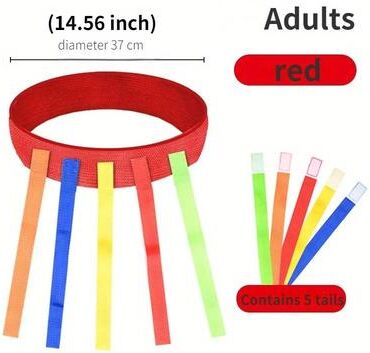
Uplift Essentials Kindergarten Catching Tail Training Belt Active Outdoor Teamwork Game For Kids adults redEncourage active play and social development with the Kindergarten Catching Tail Training Belt, the ultimate outdoor funny game toy belt for highenergy fun. This vibrant training equipment is designed to get children moving, helping them develop...35,97 $*Shipping: 0,00 $Secure redirect to the provider
-
What are the effects of irrigation and soil salinization?
Irrigation can have both positive and negative effects on soil. On one hand, it can increase crop yields and support agricultural production in areas with limited rainfall. However, over-irrigation can lead to waterlogging and soil salinization. Soil salinization occurs when the salt content in the soil increases to a level that is harmful to plant growth. This can lead to reduced crop yields, loss of biodiversity, and degradation of soil quality. Additionally, soil salinization can also affect the availability of water for irrigation and other agricultural activities. **
-
What is soil salinization and how can soil be irrigated?
Soil salinization is the accumulation of salts in the soil, which can negatively impact plant growth and crop productivity. To irrigate soil and help manage salinity levels, farmers can use techniques such as drip irrigation, which delivers water directly to the plant roots in a controlled manner, reducing the risk of salt buildup. Additionally, farmers can implement practices like leaching, where excess water is applied to the soil to flush out accumulated salts, helping to restore the soil's natural balance. **
-
Does soil salinization occur with every irrigation in arid areas?
Soil salinization does not necessarily occur with every irrigation in arid areas, but it is a common problem in these regions. When water is applied to the soil in arid areas, it can evaporate quickly, leaving behind salts that can accumulate over time and lead to salinization. Factors such as the quality of the irrigation water, the frequency of irrigation, and the drainage capacity of the soil can all influence the likelihood of salinization occurring. Proper management practices, such as using high-quality water and implementing effective drainage systems, can help mitigate the risk of soil salinization in arid areas. **
-
What is soil salinization and how can the soil be irrigated?
Soil salinization is the accumulation of salts in the soil, which can negatively impact plant growth and crop productivity. This occurs when the natural process of salt accumulation in the soil exceeds the rate of salt removal. To irrigate the soil and reduce salinization, several methods can be used. One common method is leaching, where excess salts are flushed out of the soil by applying large amounts of water. Another method is to use salt-tolerant crops that can withstand the high salt levels in the soil. Additionally, improving drainage and using more efficient irrigation techniques can help prevent further soil salinization. **
* All prices are inclusive of VAT and, if applicable, plus shipping costs. The offer information is based on the details provided by the respective shop and is updated through automated processes. Real-time updates do not occur, so deviations can occur in individual cases. ** Note: Parts of this content were created by AI.