Buy mlm1.eu ?
We are moving the project
mlm1.eu .
Are you interested in purchasing the domain
mlm1.eu ?
domain@kv-gmbh.de · 0541-91531010
Buy mlm1.eu ?
What is a wood preservative attic from 1965?
A wood preservative attic from 1965 refers to a type of treatment used on wooden structures in attics to protect them from decay, insects, and other forms of damage. These preservatives were commonly applied to attic beams, rafters, and other wooden components to extend their lifespan and maintain the structural integrity of the building. The treatment typically involved chemicals such as creosote, pentachlorophenol, or copper naphthenate, which were effective in preventing rot and deterioration in the wood. However, some of these chemicals have since been found to be harmful to human health and the environment, leading to stricter regulations on their use. **
Is sulfur dioxide toxic and yet a preservative?
Yes, sulfur dioxide is toxic in high concentrations and can cause respiratory issues and other health problems. However, it is also used as a preservative in food and beverages to prevent spoilage and inhibit the growth of bacteria and fungi. When used in small, regulated amounts, sulfur dioxide can effectively extend the shelf life of certain products. However, it is important for individuals with sensitivities or allergies to sulfur dioxide to be aware of its presence in certain foods and drinks. **

Similar search terms for Preservative
Top-Angebote
Products related to Preservative:
-
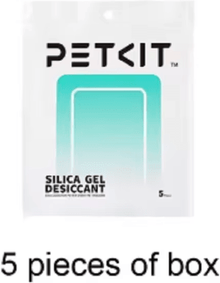
Inspire Picks PETKIT Smart Feeder Desiccant Refills Moisture Proof Preservative Packs For Fresh Pet Food Storage 20pcsKeep your pet's food fresher for longer with these smart feeder desiccant packs specially designed for PETKIT automatic feeders. Filled with transparent silica gel beads, these moistureabsorbing refills help reduce humidity inside the food storage...99,61 $*Shipping: 0,00 $Secure redirect to the provider
-
Inspire Picks PETKIT Smart Feeder Desiccant Refills Moisture Proof Preservative Packs For Fresh Pet Food Storage 10pcsKeep your pet's food fresher for longer with these smart feeder desiccant packs specially designed for PETKIT automatic feeders. Filled with transparent silica gel beads, these moistureabsorbing refills help reduce humidity inside the food storage...34,93 $*Shipping: 0,00 $Secure redirect to the provider



-
How do you treat visible wood with wood preservative?
To treat visible wood with wood preservative, start by cleaning the surface of the wood to remove any dirt or debris. Next, apply the wood preservative using a brush, roller, or sprayer, making sure to follow the manufacturer's instructions for application and drying times. It's important to apply multiple coats of the preservative to ensure thorough coverage and protection against moisture and pests. Finally, allow the wood to dry completely before using or sealing it. **
-
How can used oil be used as a wood preservative?
Used oil can be used as a wood preservative by applying it to the surface of the wood. The oil helps to seal the wood and prevent moisture from penetrating, which can lead to rot and decay. Additionally, the oil can also help to repel insects and pests that may damage the wood. However, it's important to note that using used oil as a wood preservative may not be environmentally friendly and could potentially release harmful chemicals into the environment. Therefore, it's important to consider the potential environmental impact before using used oil as a wood preservative. **
-
How can this red powder, called cinnabar, be present in chocolate, even though it is a preservative?
Cinnabar, which is a red powder containing mercury sulfide, is not typically used as a preservative in chocolate. It is possible that cinnabar could be present in chocolate if it is used as a coloring agent, as it has been historically used in some cultures for this purpose. However, due to the potential health risks associated with mercury, it is not recommended to consume products containing cinnabar. It is important to always check the ingredients list of chocolate products to ensure they do not contain any harmful substances. **
-
Can a garden house, which has already been painted with wood preservative, be repainted without sanding after several years?
Yes, a garden house that has been previously painted with wood preservative can be repainted without sanding after several years. However, it is important to ensure that the surface is clean and free of any dirt, dust, or loose paint before applying a new coat of paint. You may need to use a mild detergent and water to clean the surface, and then allow it to dry completely before applying the new paint. Additionally, it is important to choose a paint that is compatible with the existing wood preservative to ensure proper adhesion and longevity of the new paint job. **
Are there longer-lasting harmful residues in the used wood stove after burning treated wood, such as impregnated wood preservative or particle board with glue?
Yes, burning treated wood, impregnated wood preservatives, or particle board with glue in a wood stove can leave behind harmful residues. These residues can include toxic chemicals like arsenic, creosote, and formaldehyde, which can linger in the stove and chimney. Over time, these residues can build up and pose health risks when the stove is used again. It is important to avoid burning these materials in a wood stove to prevent the accumulation of harmful residues. **
Can the boards be stacked on top of each other to dry before the garden house is assembled in order to treat it with wood preservative?
Yes, the boards can be stacked on top of each other to dry before the garden house is assembled in order to treat it with wood preservative. Stacking the boards allows for better air circulation and even drying. However, it is important to ensure that the boards are stacked in a dry and well-ventilated area to prevent mold or mildew from forming. Once the boards are dry, they can be treated with wood preservative before assembling the garden house. **
Top-Angebote
Products related to Preservative:
-
Inspire Picks PETKIT Smart Feeder Desiccant Refills Moisture Proof Preservative Packs For Fresh Pet Food Storage 5pcsKeep your pet's food fresher for longer with these smart feeder desiccant packs specially designed for PETKIT automatic feeders. Filled with transparent silica gel beads, these moistureabsorbing refills help reduce humidity inside the food storage...34,93 $*Shipping: 0,00 $Secure redirect to the provider
-
Uplift Essentials Kindergarten Catching Tail Training Belt Active Outdoor Teamwork Game For Kids children blueEncourage active play and social development with the Kindergarten Catching Tail Training Belt, the ultimate outdoor funny game toy belt for highenergy fun. This vibrant training equipment is designed to get children moving, helping them develop...34,97 $*Shipping: 0,00 $Secure redirect to the provider
-
What is a wood preservative attic from 1965?
A wood preservative attic from 1965 refers to a type of treatment used on wooden structures in attics to protect them from decay, insects, and other forms of damage. These preservatives were commonly applied to attic beams, rafters, and other wooden components to extend their lifespan and maintain the structural integrity of the building. The treatment typically involved chemicals such as creosote, pentachlorophenol, or copper naphthenate, which were effective in preventing rot and deterioration in the wood. However, some of these chemicals have since been found to be harmful to human health and the environment, leading to stricter regulations on their use. **
-
Is sulfur dioxide toxic and yet a preservative?
Yes, sulfur dioxide is toxic in high concentrations and can cause respiratory issues and other health problems. However, it is also used as a preservative in food and beverages to prevent spoilage and inhibit the growth of bacteria and fungi. When used in small, regulated amounts, sulfur dioxide can effectively extend the shelf life of certain products. However, it is important for individuals with sensitivities or allergies to sulfur dioxide to be aware of its presence in certain foods and drinks. **
-
How do you treat visible wood with wood preservative?
To treat visible wood with wood preservative, start by cleaning the surface of the wood to remove any dirt or debris. Next, apply the wood preservative using a brush, roller, or sprayer, making sure to follow the manufacturer's instructions for application and drying times. It's important to apply multiple coats of the preservative to ensure thorough coverage and protection against moisture and pests. Finally, allow the wood to dry completely before using or sealing it. **
-
How can used oil be used as a wood preservative?
Used oil can be used as a wood preservative by applying it to the surface of the wood. The oil helps to seal the wood and prevent moisture from penetrating, which can lead to rot and decay. Additionally, the oil can also help to repel insects and pests that may damage the wood. However, it's important to note that using used oil as a wood preservative may not be environmentally friendly and could potentially release harmful chemicals into the environment. Therefore, it's important to consider the potential environmental impact before using used oil as a wood preservative. **
Similar search terms for Preservative
-
Inspire Picks PETKIT Smart Feeder Desiccant Refills Moisture Proof Preservative Packs For Fresh Pet Food Storage 20pcsKeep your pet's food fresher for longer with these smart feeder desiccant packs specially designed for PETKIT automatic feeders. Filled with transparent silica gel beads, these moistureabsorbing refills help reduce humidity inside the food storage...99,61 $*Shipping: 0,00 $Secure redirect to the provider
-
Inspire Picks PETKIT Smart Feeder Desiccant Refills Moisture Proof Preservative Packs For Fresh Pet Food Storage 10pcsKeep your pet's food fresher for longer with these smart feeder desiccant packs specially designed for PETKIT automatic feeders. Filled with transparent silica gel beads, these moistureabsorbing refills help reduce humidity inside the food storage...34,93 $*Shipping: 0,00 $Secure redirect to the provider
-
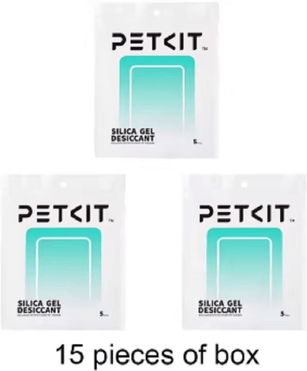
Inspire Picks PETKIT Smart Feeder Desiccant Refills Moisture Proof Preservative Packs For Fresh Pet Food Storage 15pcsKeep your pet's food fresher for longer with these smart feeder desiccant packs specially designed for PETKIT automatic feeders. Filled with transparent silica gel beads, these moistureabsorbing refills help reduce humidity inside the food storage...67,72 $*Shipping: 0,00 $Secure redirect to the provider
-
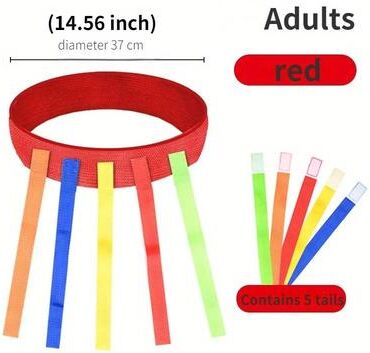
Uplift Essentials Kindergarten Catching Tail Training Belt Active Outdoor Teamwork Game For Kids adults redEncourage active play and social development with the Kindergarten Catching Tail Training Belt, the ultimate outdoor funny game toy belt for highenergy fun. This vibrant training equipment is designed to get children moving, helping them develop...35,97 $*Shipping: 0,00 $Secure redirect to the provider
-
How can this red powder, called cinnabar, be present in chocolate, even though it is a preservative?
Cinnabar, which is a red powder containing mercury sulfide, is not typically used as a preservative in chocolate. It is possible that cinnabar could be present in chocolate if it is used as a coloring agent, as it has been historically used in some cultures for this purpose. However, due to the potential health risks associated with mercury, it is not recommended to consume products containing cinnabar. It is important to always check the ingredients list of chocolate products to ensure they do not contain any harmful substances. **
-
Can a garden house, which has already been painted with wood preservative, be repainted without sanding after several years?
Yes, a garden house that has been previously painted with wood preservative can be repainted without sanding after several years. However, it is important to ensure that the surface is clean and free of any dirt, dust, or loose paint before applying a new coat of paint. You may need to use a mild detergent and water to clean the surface, and then allow it to dry completely before applying the new paint. Additionally, it is important to choose a paint that is compatible with the existing wood preservative to ensure proper adhesion and longevity of the new paint job. **
-
Are there longer-lasting harmful residues in the used wood stove after burning treated wood, such as impregnated wood preservative or particle board with glue?
Yes, burning treated wood, impregnated wood preservatives, or particle board with glue in a wood stove can leave behind harmful residues. These residues can include toxic chemicals like arsenic, creosote, and formaldehyde, which can linger in the stove and chimney. Over time, these residues can build up and pose health risks when the stove is used again. It is important to avoid burning these materials in a wood stove to prevent the accumulation of harmful residues. **
-
Can the boards be stacked on top of each other to dry before the garden house is assembled in order to treat it with wood preservative?
Yes, the boards can be stacked on top of each other to dry before the garden house is assembled in order to treat it with wood preservative. Stacking the boards allows for better air circulation and even drying. However, it is important to ensure that the boards are stacked in a dry and well-ventilated area to prevent mold or mildew from forming. Once the boards are dry, they can be treated with wood preservative before assembling the garden house. **
* All prices are inclusive of VAT and, if applicable, plus shipping costs. The offer information is based on the details provided by the respective shop and is updated through automated processes. Real-time updates do not occur, so deviations can occur in individual cases. ** Note: Parts of this content were created by AI.