Buy mlm1.eu ?
We are moving the project
mlm1.eu .
Are you interested in purchasing the domain
mlm1.eu ?
domain@kv-gmbh.de · 0541-91531010
Buy mlm1.eu ?
Organic waste or residual waste?
Organic waste refers to biodegradable waste such as food scraps, yard waste, and paper products, which can be composted or converted into energy through anaerobic digestion. Residual waste, on the other hand, refers to non-recyclable and non-compostable waste that is typically sent to landfills or incinerated. When it comes to managing waste, it is important to prioritize the reduction and proper disposal of organic waste through composting and recycling, as it can have a more positive environmental impact compared to residual waste. **
Are organic products allowed in residual waste?
No, organic products are not allowed in residual waste. Organic waste, such as food scraps and yard waste, should be separated and disposed of in composting or organic waste collection programs. This helps to reduce the amount of waste sent to landfills and allows for the organic material to be properly processed and recycled into compost or other beneficial products. It is important to follow local waste management guidelines and separate organic waste from residual waste to promote sustainable waste management practices. **


Similar search terms for Naturepedic-Organic-VERSE-Full
Top-Angebote
Products related to Naturepedic-Organic-VERSE-Full:
-
Naturepedic Organic Breathable Mini Crib MattressGive your baby the best of all worlds - organic, waterproof AND breathable. Provides a healthy and practical approach to breathability whilehelpingkeepyour baby safe from harmfulchemicals, flame retardants and hygienic challenges.TheOrganic...279,00 $*Shipping: 0,00 $Secure redirect to the provider
-
Naturepedic Organic Cotton Changing Pad 4-Sided ContouredThe Naturepedic Organic Cotton 4 Sided Changing Pad is a deluxe contoured pad featuring organic cotton filling and fabrics. It comes with snap-screws to easily secure to any dresser as well as a child safety buckle to help keep the baby in place...139,00 $*Shipping: 0,00 $Secure redirect to the provider
-
Naturepedic MC22 Seemless Organic Cotton Classic Baby MattressThe Naturepedic Organic Cotton Classic 150 Seamless will provide your child with a more natural, healthy and comfortable sleep environment. With seamless waterproof edges, 150 coils, edge support, organic cotton throughout, and a firm easy-to-clean...279,00 $*Shipping: 0,00 $Secure redirect to the provider
-
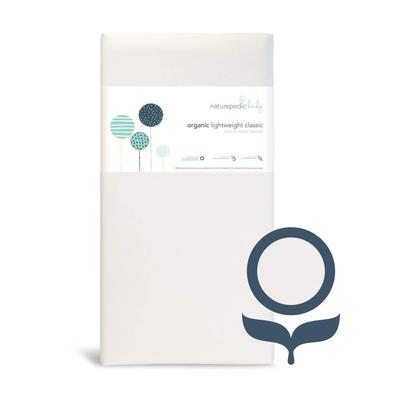
Naturepedic MC24 No-Compromise Lightweight Organic Classic MattressThe Naturepedic Organic Cotton Lightweight Classic matches the strength and durability of an innerspring without the added weight. Layers of luxurious organic cotton batting create the perfect balance of firmness and comfort. Get the best of both...279,00 $*Shipping: 0,00 $Secure redirect to the provider


-
What is the difference between residual waste and organic waste?
Residual waste, also known as general waste, refers to non-recyclable and non-hazardous waste that is typically sent to landfills or incinerators. This includes materials such as plastic, rubber, and textiles. On the other hand, organic waste consists of biodegradable materials such as food scraps, yard waste, and paper products. Unlike residual waste, organic waste can be composted and turned into nutrient-rich soil. Additionally, organic waste produces methane gas when sent to landfills, making it a significant contributor to greenhouse gas emissions. **
-
What is a confirmation verse or baptismal verse?
A confirmation verse or baptismal verse is a Bible verse that is chosen by an individual or their family to mark the occasion of their confirmation or baptism. This verse is often significant to the person receiving the sacrament and serves as a guiding principle or source of inspiration for their faith journey. It is a way to personalize the experience and connect the individual to their faith in a meaningful way. **
-
Why is organic chemistry called organic chemistry?
Organic chemistry is called so because it was originally believed that compounds found in living organisms could only be produced by living organisms, and were therefore called "organic" compounds. This belief was later disproven, but the name stuck. Organic chemistry is the study of carbon-containing compounds, which are abundant in living organisms, and it focuses on the structure, properties, and reactions of these compounds. **
-
Can you put residual and organic waste in the same bin?
It is generally not recommended to put residual and organic waste in the same bin. Residual waste, such as plastics and non-biodegradable materials, should be separated from organic waste, such as food scraps and yard waste, in order to facilitate proper recycling and composting. Mixing the two types of waste can contaminate the organic waste and make it unsuitable for composting, and it can also hinder the recycling process for residual waste. It is best to follow local waste management guidelines and separate residual and organic waste into their respective bins for proper disposal and recycling. **


What is the difference between organic and non-organic?
Organic products are grown and produced without the use of synthetic pesticides, fertilizers, or genetically modified organisms. They also do not contain artificial preservatives or additives. Non-organic products, on the other hand, may contain synthetic chemicals and pesticides, and are often produced using genetically modified organisms. Organic farming practices also focus on sustainability and environmental conservation, while non-organic farming may have a greater impact on the environment. **
Is organic meat still unhealthy, even if it's organic?
Organic meat is generally considered to be healthier than conventionally raised meat because it is produced without the use of synthetic pesticides, hormones, or antibiotics. However, it is still important to consume organic meat in moderation and as part of a balanced diet. Organic meat can still be high in saturated fat and cholesterol, so it is important to consider portion sizes and overall dietary choices. Additionally, the way the meat is prepared and cooked can also impact its healthfulness. **
Top-Angebote
Products related to Naturepedic-Organic-VERSE-Full:
-
Naturepedic Organic VERSE Full MattressAn excellent choice for parents seeking to eliminate potentially harmful chemicals and allergens. The Naturepedic Organic Verse is the natural choice for your child's "big kid bed." This mattress features organic cotton filling and premium encased...1299,00 $*Shipping: 0,00 $Secure redirect to the provider
-
Naturepedic 2-in-1 Organic Kids Full MattressAn excellent choice for parents seeking to eliminate potentially harmful chemicals and allergens. Designed for children that are still potty training, the Naturepedic 2 in 1 Organic Mattress features an innovative design that is waterproof on one...999,00 $*Shipping: 0,00 $Secure redirect to the provider
-
Naturepedic Organic Breathable Mini Crib MattressGive your baby the best of all worlds - organic, waterproof AND breathable. Provides a healthy and practical approach to breathability whilehelpingkeepyour baby safe from harmfulchemicals, flame retardants and hygienic challenges.TheOrganic...279,00 $*Shipping: 0,00 $Secure redirect to the provider
-
Naturepedic Organic Cotton Changing Pad 4-Sided ContouredThe Naturepedic Organic Cotton 4 Sided Changing Pad is a deluxe contoured pad featuring organic cotton filling and fabrics. It comes with snap-screws to easily secure to any dresser as well as a child safety buckle to help keep the baby in place...139,00 $*Shipping: 0,00 $Secure redirect to the provider
-
Organic waste or residual waste?
Organic waste refers to biodegradable waste such as food scraps, yard waste, and paper products, which can be composted or converted into energy through anaerobic digestion. Residual waste, on the other hand, refers to non-recyclable and non-compostable waste that is typically sent to landfills or incinerated. When it comes to managing waste, it is important to prioritize the reduction and proper disposal of organic waste through composting and recycling, as it can have a more positive environmental impact compared to residual waste. **
-
Are organic products allowed in residual waste?
No, organic products are not allowed in residual waste. Organic waste, such as food scraps and yard waste, should be separated and disposed of in composting or organic waste collection programs. This helps to reduce the amount of waste sent to landfills and allows for the organic material to be properly processed and recycled into compost or other beneficial products. It is important to follow local waste management guidelines and separate organic waste from residual waste to promote sustainable waste management practices. **
-
What is the difference between residual waste and organic waste?
Residual waste, also known as general waste, refers to non-recyclable and non-hazardous waste that is typically sent to landfills or incinerators. This includes materials such as plastic, rubber, and textiles. On the other hand, organic waste consists of biodegradable materials such as food scraps, yard waste, and paper products. Unlike residual waste, organic waste can be composted and turned into nutrient-rich soil. Additionally, organic waste produces methane gas when sent to landfills, making it a significant contributor to greenhouse gas emissions. **
-
What is a confirmation verse or baptismal verse?
A confirmation verse or baptismal verse is a Bible verse that is chosen by an individual or their family to mark the occasion of their confirmation or baptism. This verse is often significant to the person receiving the sacrament and serves as a guiding principle or source of inspiration for their faith journey. It is a way to personalize the experience and connect the individual to their faith in a meaningful way. **
Similar search terms for Naturepedic-Organic-VERSE-Full
-
Naturepedic MC22 Seemless Organic Cotton Classic Baby MattressThe Naturepedic Organic Cotton Classic 150 Seamless will provide your child with a more natural, healthy and comfortable sleep environment. With seamless waterproof edges, 150 coils, edge support, organic cotton throughout, and a firm easy-to-clean...279,00 $*Shipping: 0,00 $Secure redirect to the provider
-
Naturepedic MC24 No-Compromise Lightweight Organic Classic MattressThe Naturepedic Organic Cotton Lightweight Classic matches the strength and durability of an innerspring without the added weight. Layers of luxurious organic cotton batting create the perfect balance of firmness and comfort. Get the best of both...279,00 $*Shipping: 0,00 $Secure redirect to the provider
-
Naturepedic MC46 Organic Breathable 2-Stage Baby Crib MattressThe Naturepedic Organic Breathable Crib Mattress is both certified organic AND breathable. These two important safety features combine to give you a crib mattress that is free of harmful chemicals and achieves the lowest risk category score on...369,00 $*Shipping: 0,00 $Secure redirect to the provider
-
Naturepedic Organic VERSE Twin MattressAn excellent choice for parents seeking to eliminate potentially harmful chemicals and allergens. The Naturepedic Organic Verse is the natural choice for your child's "big kid bed." This mattress features organic cotton filling and premium encased...999,00 $*Shipping: 0,00 $Secure redirect to the provider
-
Why is organic chemistry called organic chemistry?
Organic chemistry is called so because it was originally believed that compounds found in living organisms could only be produced by living organisms, and were therefore called "organic" compounds. This belief was later disproven, but the name stuck. Organic chemistry is the study of carbon-containing compounds, which are abundant in living organisms, and it focuses on the structure, properties, and reactions of these compounds. **
-
Can you put residual and organic waste in the same bin?
It is generally not recommended to put residual and organic waste in the same bin. Residual waste, such as plastics and non-biodegradable materials, should be separated from organic waste, such as food scraps and yard waste, in order to facilitate proper recycling and composting. Mixing the two types of waste can contaminate the organic waste and make it unsuitable for composting, and it can also hinder the recycling process for residual waste. It is best to follow local waste management guidelines and separate residual and organic waste into their respective bins for proper disposal and recycling. **
-
What is the difference between organic and non-organic?
Organic products are grown and produced without the use of synthetic pesticides, fertilizers, or genetically modified organisms. They also do not contain artificial preservatives or additives. Non-organic products, on the other hand, may contain synthetic chemicals and pesticides, and are often produced using genetically modified organisms. Organic farming practices also focus on sustainability and environmental conservation, while non-organic farming may have a greater impact on the environment. **
-
Is organic meat still unhealthy, even if it's organic?
Organic meat is generally considered to be healthier than conventionally raised meat because it is produced without the use of synthetic pesticides, hormones, or antibiotics. However, it is still important to consume organic meat in moderation and as part of a balanced diet. Organic meat can still be high in saturated fat and cholesterol, so it is important to consider portion sizes and overall dietary choices. Additionally, the way the meat is prepared and cooked can also impact its healthfulness. **
* All prices are inclusive of VAT and, if applicable, plus shipping costs. The offer information is based on the details provided by the respective shop and is updated through automated processes. Real-time updates do not occur, so deviations can occur in individual cases. ** Note: Parts of this content were created by AI.