Buy mlm1.eu ?
We are moving the project
mlm1.eu .
Are you interested in purchasing the domain
mlm1.eu ?
domain@kv-gmbh.de · 0541-91531010
Buy mlm1.eu ?
What intermolecular forces exist?
Intermolecular forces are the forces of attraction and repulsion between molecules. The main types of intermolecular forces include London dispersion forces, dipole-dipole interactions, and hydrogen bonding. London dispersion forces are the weakest type of intermolecular force and occur between all molecules. Dipole-dipole interactions occur between polar molecules, where the positive end of one molecule is attracted to the negative end of another. Hydrogen bonding is a special type of dipole-dipole interaction that occurs when hydrogen is bonded to highly electronegative atoms like oxygen, nitrogen, or fluorine. **
What are intermolecular interactions?
Intermolecular interactions are the forces of attraction or repulsion between molecules. These interactions play a crucial role in determining the physical and chemical properties of substances. Examples of intermolecular interactions include hydrogen bonding, van der Waals forces, and dipole-dipole interactions. These forces can affect properties such as boiling and melting points, solubility, and viscosity. **

Similar search terms for Intermolecular
Top-Angebote
Products related to Intermolecular:
-
HPE Networking Instant On AP22 Wi-Fi 6 Access PointWall or ceiling-mountable Wi-Fi 6 access point supporting dual-band operation (2.4 GHz and 5 GHz) with maximum data rates of 574 Mbps and 1.2 Gbps respectively. Powered by PoE connectivity and includes Bluetooth support, delivering enterprise-grade wireless coverage for indoor spaces in a compact 16x16x3.7cm form factor.127,49 £*Shipping: 0,00 £Secure redirect to the provider
-
DC Comics Batman Silk Touch Throw Blanket Hooray For Teamwork"Indulge in ultimate comfort and softness with Warner Bros. DC Batman ""Hooray for Teamwork"" Silk Touch Blanket. Made from 100% polyester, this blanket is silky smooth to the touch and provides the perfect amount of warmth."41,49 $*Shipping: 0,00 $Secure redirect to the provider


-
What are intermolecular forces?
Intermolecular forces are the attractive forces that exist between molecules. These forces are responsible for holding molecules together in a liquid or solid state. There are several types of intermolecular forces, including hydrogen bonding, dipole-dipole interactions, and London dispersion forces. These forces play a crucial role in determining the physical properties of substances, such as their boiling and melting points, as well as their solubility and viscosity. **
-
How are intermolecular forces classified?
Intermolecular forces are classified into three main categories: dispersion forces, dipole-dipole forces, and hydrogen bonding. Dispersion forces are the weakest type of intermolecular force and are caused by temporary fluctuations in electron distribution within molecules. Dipole-dipole forces occur between polar molecules and are stronger than dispersion forces. Hydrogen bonding is the strongest type of intermolecular force and occurs when hydrogen is bonded to highly electronegative atoms like oxygen, nitrogen, or fluorine. **
-
What are strong intermolecular interactions?
Strong intermolecular interactions are attractive forces between molecules that are stronger than typical van der Waals forces. These interactions can include hydrogen bonding, dipole-dipole interactions, and ion-dipole interactions. Strong intermolecular interactions play a crucial role in determining the physical properties of substances such as boiling point, melting point, and solubility. They are important in various biological processes, such as protein folding and DNA replication. **
-
Which intermolecular interactions are possible?
Intermolecular interactions that are possible include hydrogen bonding, dipole-dipole interactions, and London dispersion forces. Hydrogen bonding occurs when a hydrogen atom is bonded to a highly electronegative atom such as oxygen, nitrogen, or fluorine. Dipole-dipole interactions occur between molecules with permanent dipoles, while London dispersion forces are the weakest intermolecular interactions and occur between all molecules due to temporary fluctuations in electron distribution. These interactions play a crucial role in determining the physical properties of substances such as boiling and melting points. **

What are intermolecular interactions in chemistry?
Intermolecular interactions are the forces of attraction or repulsion between molecules. These interactions play a crucial role in determining the physical properties of substances, such as boiling point, melting point, and solubility. The main types of intermolecular interactions include hydrogen bonding, dipole-dipole interactions, and van der Waals forces. These interactions are weaker than chemical bonds within a molecule, but they still significantly impact the behavior and properties of substances. **
Which intermolecular forces are the strongest?
The strongest intermolecular forces are hydrogen bonding, which occurs when a hydrogen atom is bonded to a highly electronegative atom such as oxygen, nitrogen, or fluorine. Hydrogen bonding is stronger than dipole-dipole interactions and London dispersion forces. This is because hydrogen bonding involves a particularly strong attraction between the partially positive hydrogen atom and the partially negative atom it is bonded to, leading to a higher energy of interaction compared to other intermolecular forces. **
Top-Angebote
Products related to Intermolecular:
-
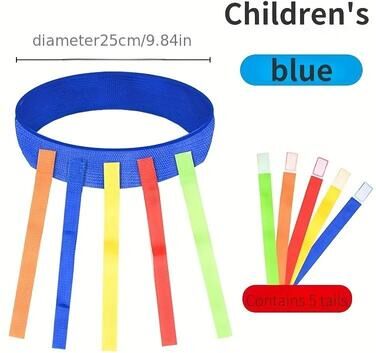
Uplift Essentials Kindergarten Catching Tail Training Belt Active Outdoor Teamwork Game For Kids children blueEncourage active play and social development with the Kindergarten Catching Tail Training Belt, the ultimate outdoor funny game toy belt for highenergy fun. This vibrant training equipment is designed to get children moving, helping them develop...34,97 $*Shipping: 0,00 $Secure redirect to the provider
-
What intermolecular forces exist?
Intermolecular forces are the forces of attraction and repulsion between molecules. The main types of intermolecular forces include London dispersion forces, dipole-dipole interactions, and hydrogen bonding. London dispersion forces are the weakest type of intermolecular force and occur between all molecules. Dipole-dipole interactions occur between polar molecules, where the positive end of one molecule is attracted to the negative end of another. Hydrogen bonding is a special type of dipole-dipole interaction that occurs when hydrogen is bonded to highly electronegative atoms like oxygen, nitrogen, or fluorine. **
-
What are intermolecular interactions?
Intermolecular interactions are the forces of attraction or repulsion between molecules. These interactions play a crucial role in determining the physical and chemical properties of substances. Examples of intermolecular interactions include hydrogen bonding, van der Waals forces, and dipole-dipole interactions. These forces can affect properties such as boiling and melting points, solubility, and viscosity. **
-
What are intermolecular forces?
Intermolecular forces are the attractive forces that exist between molecules. These forces are responsible for holding molecules together in a liquid or solid state. There are several types of intermolecular forces, including hydrogen bonding, dipole-dipole interactions, and London dispersion forces. These forces play a crucial role in determining the physical properties of substances, such as their boiling and melting points, as well as their solubility and viscosity. **
-
How are intermolecular forces classified?
Intermolecular forces are classified into three main categories: dispersion forces, dipole-dipole forces, and hydrogen bonding. Dispersion forces are the weakest type of intermolecular force and are caused by temporary fluctuations in electron distribution within molecules. Dipole-dipole forces occur between polar molecules and are stronger than dispersion forces. Hydrogen bonding is the strongest type of intermolecular force and occurs when hydrogen is bonded to highly electronegative atoms like oxygen, nitrogen, or fluorine. **
Similar search terms for Intermolecular
-
HPE Networking Instant On AP22 Wi-Fi 6 Access PointWall or ceiling-mountable Wi-Fi 6 access point supporting dual-band operation (2.4 GHz and 5 GHz) with maximum data rates of 574 Mbps and 1.2 Gbps respectively. Powered by PoE connectivity and includes Bluetooth support, delivering enterprise-grade wireless coverage for indoor spaces in a compact 16x16x3.7cm form factor.127,49 £*Shipping: 0,00 £Secure redirect to the provider
-
DC Comics Batman Silk Touch Throw Blanket Hooray For Teamwork"Indulge in ultimate comfort and softness with Warner Bros. DC Batman ""Hooray for Teamwork"" Silk Touch Blanket. Made from 100% polyester, this blanket is silky smooth to the touch and provides the perfect amount of warmth."41,49 $*Shipping: 0,00 $Secure redirect to the provider
-
John Murray Opportunity: Seize the Day, Win at Life by Rob Moore – Success & Mindset GuideAre you waiting for that once-in-a-lifetime opportunity to change your life, change your business or change the world? How will you know when it comes? How will you be sure you're ready? This book is not about waiting for an opportunity that might never come. It's a book for right now containing mployed right away, and will ensure that you attract opportunities, whether big or small, all the time. Successful people are sometimes lucky - but most of all they find success because they have trained their minds to identify great opportunities and make the most of them when they arrive, rather than freezing with uncertainty or lacking the vision to see them through. In this book Rob Moore, the bestselling author of MONEY, START NOW. GET PERFECT LATER and I'M WORTH MORE shows you how to elevate your emotional intelligence and decision making to ensure that when opportunity strikes you are ready to take advantage, seize the day, and win at life. When Opportunity knocks, you'll be ready.4,99 £*Shipping: 1,99 £Secure redirect to the provider
-
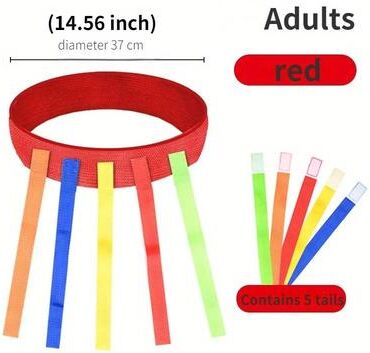
Uplift Essentials Kindergarten Catching Tail Training Belt Active Outdoor Teamwork Game For Kids adults redEncourage active play and social development with the Kindergarten Catching Tail Training Belt, the ultimate outdoor funny game toy belt for highenergy fun. This vibrant training equipment is designed to get children moving, helping them develop...35,97 $*Shipping: 0,00 $Secure redirect to the provider
-
What are strong intermolecular interactions?
Strong intermolecular interactions are attractive forces between molecules that are stronger than typical van der Waals forces. These interactions can include hydrogen bonding, dipole-dipole interactions, and ion-dipole interactions. Strong intermolecular interactions play a crucial role in determining the physical properties of substances such as boiling point, melting point, and solubility. They are important in various biological processes, such as protein folding and DNA replication. **
-
Which intermolecular interactions are possible?
Intermolecular interactions that are possible include hydrogen bonding, dipole-dipole interactions, and London dispersion forces. Hydrogen bonding occurs when a hydrogen atom is bonded to a highly electronegative atom such as oxygen, nitrogen, or fluorine. Dipole-dipole interactions occur between molecules with permanent dipoles, while London dispersion forces are the weakest intermolecular interactions and occur between all molecules due to temporary fluctuations in electron distribution. These interactions play a crucial role in determining the physical properties of substances such as boiling and melting points. **
-
What are intermolecular interactions in chemistry?
Intermolecular interactions are the forces of attraction or repulsion between molecules. These interactions play a crucial role in determining the physical properties of substances, such as boiling point, melting point, and solubility. The main types of intermolecular interactions include hydrogen bonding, dipole-dipole interactions, and van der Waals forces. These interactions are weaker than chemical bonds within a molecule, but they still significantly impact the behavior and properties of substances. **
-
Which intermolecular forces are the strongest?
The strongest intermolecular forces are hydrogen bonding, which occurs when a hydrogen atom is bonded to a highly electronegative atom such as oxygen, nitrogen, or fluorine. Hydrogen bonding is stronger than dipole-dipole interactions and London dispersion forces. This is because hydrogen bonding involves a particularly strong attraction between the partially positive hydrogen atom and the partially negative atom it is bonded to, leading to a higher energy of interaction compared to other intermolecular forces. **
* All prices are inclusive of VAT and, if applicable, plus shipping costs. The offer information is based on the details provided by the respective shop and is updated through automated processes. Real-time updates do not occur, so deviations can occur in individual cases. ** Note: Parts of this content were created by AI.