Buy mlm1.eu ?
We are moving the project
mlm1.eu .
Are you interested in purchasing the domain
mlm1.eu ?
domain@kv-gmbh.de · 0541-91531010
Buy mlm1.eu ?
What is the fractionation method?
Fractionation is a separation process used in various industries to separate a mixture into its individual components based on their different boiling points. This method involves heating the mixture to a specific temperature, causing the components with lower boiling points to vaporize and rise to the top of the fractionating column, while the components with higher boiling points remain in liquid form. The vaporized components are then condensed back into liquid form and collected as separate fractions. This process allows for the isolation of pure components from a complex mixture. **
Is the fractionation method the same as the separation method?
The fractionation method is a type of separation method. Fractionation involves separating a mixture into its individual components based on their different physical or chemical properties, such as boiling point, solubility, or molecular size. This process results in the formation of fractions, which are the individual components of the mixture. Therefore, while fractionation is a type of separation method, not all separation methods involve fractionation. **
Similar search terms for Fractionation
Top-Angebote
Products related to Fractionation:


-
Can you please help me with the isolation and fractionation of chloroplasts for photosynthesis?
Sure! Isolating and fractionating chloroplasts for photosynthesis involves several steps. First, you would need to extract chloroplasts from plant tissue using a buffer solution and a homogenizer. Then, you can use differential centrifugation to separate the chloroplasts from other cellular components based on their size and density. After that, you can use a sucrose density gradient to further purify and fractionate the chloroplasts based on their buoyant density. Finally, you can collect the chloroplast fractions and use them for studying photosynthesis. Keep in mind that this process requires careful handling and precise techniques to ensure the purity and functionality of the isolated chloroplasts. **
-
Can someone tell me the steps of cell fractionation by density gradient centrifugation with explanation?
Cell fractionation by density gradient centrifugation involves several steps: 1. Homogenization: The first step is to break open the cells and release their contents. This is typically done using a homogenizer or sonicator to disrupt the cell membranes. 2. Centrifugation: The homogenized cell suspension is then centrifuged at a low speed to remove large debris and unbroken cells. This step separates the homogenate into different fractions based on size and density. 3. Density gradient formation: A density gradient solution, such as sucrose or cesium chloride, is prepared and layered in a centrifuge tube. The gradient is formed by layering solutions of increasing density from the bottom to the top of the tube. 4. Centrifugation: The cell homogenate is then layered on top of the density gradient and centrifuged at high speeds. During centrifugation, the different cellular components separate based on their density and form distinct bands within the gradient. **
-
Can someone provide me with the steps of cell fractionation by density gradient centrifugation with explanation?
Cell fractionation by density gradient centrifugation involves separating cellular components based on their density. The steps are as follows: 1. Homogenize the cells to break them open and release their contents. 2. Centrifuge the homogenate at low speed to remove large debris and nuclei. 3. Layer the supernatant on top of a density gradient medium in a centrifuge tube. 4. Centrifuge the tube at high speed, causing cellular components to separate based on their density, with heavier components sinking to the bottom and lighter components staying towards the top. 5. Collect the fractions at different density levels and analyze them to isolate specific cellular components. This method allows for the separation of organelles and other cellular components based on their density, providing researchers with purified fractions for further analysis. **
-
What is the compensation during the training?
During the training, the compensation varies depending on the company and the program. Some companies offer a stipend or hourly wage for trainees, while others may provide a salary equivalent to entry-level positions. In some cases, trainees may also receive benefits such as healthcare coverage or travel reimbursement. It is essential to inquire about the compensation package before starting the training program to have a clear understanding of what is being offered. **


Lone wolf or teamwork?
Both lone wolf and teamwork have their advantages and disadvantages. Working alone allows for independence, creativity, and the ability to work at your own pace. On the other hand, teamwork promotes collaboration, diverse perspectives, and the ability to accomplish tasks more efficiently. Ultimately, the choice between lone wolf or teamwork depends on the specific task at hand and the individual's preferences and strengths. **
Lone Wolf or Teamwork?
Both lone wolf and teamwork have their own advantages and disadvantages. Working alone allows for independence, creativity, and the ability to work at your own pace. On the other hand, teamwork fosters collaboration, diverse perspectives, and the ability to accomplish tasks more efficiently. Ultimately, the choice between lone wolf or teamwork depends on the task at hand and the individual's preferences and strengths. It is important to strike a balance between working independently and collaborating with others to achieve the best results. **
Top-Angebote
Products related to Fractionation:
-
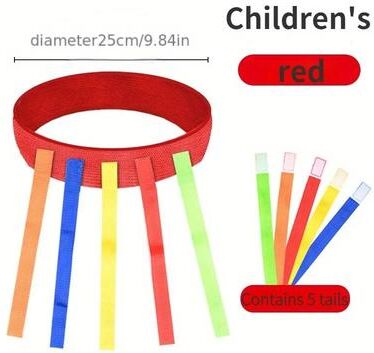
Uplift Essentials Kindergarten Catching Tail Training Belt Active Outdoor Teamwork Game For Kids children redEncourage active play and social development with the Kindergarten Catching Tail Training Belt, the ultimate outdoor funny game toy belt for highenergy fun. This vibrant training equipment is designed to get children moving, helping them develop...34,97 $*Shipping: 0,00 $Secure redirect to the provider
-
What is the fractionation method?
Fractionation is a separation process used in various industries to separate a mixture into its individual components based on their different boiling points. This method involves heating the mixture to a specific temperature, causing the components with lower boiling points to vaporize and rise to the top of the fractionating column, while the components with higher boiling points remain in liquid form. The vaporized components are then condensed back into liquid form and collected as separate fractions. This process allows for the isolation of pure components from a complex mixture. **
-
Is the fractionation method the same as the separation method?
The fractionation method is a type of separation method. Fractionation involves separating a mixture into its individual components based on their different physical or chemical properties, such as boiling point, solubility, or molecular size. This process results in the formation of fractions, which are the individual components of the mixture. Therefore, while fractionation is a type of separation method, not all separation methods involve fractionation. **
-
Can you please help me with the isolation and fractionation of chloroplasts for photosynthesis?
Sure! Isolating and fractionating chloroplasts for photosynthesis involves several steps. First, you would need to extract chloroplasts from plant tissue using a buffer solution and a homogenizer. Then, you can use differential centrifugation to separate the chloroplasts from other cellular components based on their size and density. After that, you can use a sucrose density gradient to further purify and fractionate the chloroplasts based on their buoyant density. Finally, you can collect the chloroplast fractions and use them for studying photosynthesis. Keep in mind that this process requires careful handling and precise techniques to ensure the purity and functionality of the isolated chloroplasts. **
-
Can someone tell me the steps of cell fractionation by density gradient centrifugation with explanation?
Cell fractionation by density gradient centrifugation involves several steps: 1. Homogenization: The first step is to break open the cells and release their contents. This is typically done using a homogenizer or sonicator to disrupt the cell membranes. 2. Centrifugation: The homogenized cell suspension is then centrifuged at a low speed to remove large debris and unbroken cells. This step separates the homogenate into different fractions based on size and density. 3. Density gradient formation: A density gradient solution, such as sucrose or cesium chloride, is prepared and layered in a centrifuge tube. The gradient is formed by layering solutions of increasing density from the bottom to the top of the tube. 4. Centrifugation: The cell homogenate is then layered on top of the density gradient and centrifuged at high speeds. During centrifugation, the different cellular components separate based on their density and form distinct bands within the gradient. **
Similar search terms for Fractionation
-
John Murray Opportunity: Seize the Day, Win at Life by Rob Moore – Success & Mindset GuideAre you waiting for that once-in-a-lifetime opportunity to change your life, change your business or change the world? How will you know when it comes? How will you be sure you're ready? This book is not about waiting for an opportunity that might never come. It's a book for right now containing mployed right away, and will ensure that you attract opportunities, whether big or small, all the time. Successful people are sometimes lucky - but most of all they find success because they have trained their minds to identify great opportunities and make the most of them when they arrive, rather than freezing with uncertainty or lacking the vision to see them through. In this book Rob Moore, the bestselling author of MONEY, START NOW. GET PERFECT LATER and I'M WORTH MORE shows you how to elevate your emotional intelligence and decision making to ensure that when opportunity strikes you are ready to take advantage, seize the day, and win at life. When Opportunity knocks, you'll be ready.4,99 £*Shipping: 1,99 £Secure redirect to the provider
-
Uplift Essentials Kindergarten Catching Tail Training Belt Active Outdoor Teamwork Game For Kids children blueEncourage active play and social development with the Kindergarten Catching Tail Training Belt, the ultimate outdoor funny game toy belt for highenergy fun. This vibrant training equipment is designed to get children moving, helping them develop...34,97 $*Shipping: 0,00 $Secure redirect to the provider
-
Can someone provide me with the steps of cell fractionation by density gradient centrifugation with explanation?
Cell fractionation by density gradient centrifugation involves separating cellular components based on their density. The steps are as follows: 1. Homogenize the cells to break them open and release their contents. 2. Centrifuge the homogenate at low speed to remove large debris and nuclei. 3. Layer the supernatant on top of a density gradient medium in a centrifuge tube. 4. Centrifuge the tube at high speed, causing cellular components to separate based on their density, with heavier components sinking to the bottom and lighter components staying towards the top. 5. Collect the fractions at different density levels and analyze them to isolate specific cellular components. This method allows for the separation of organelles and other cellular components based on their density, providing researchers with purified fractions for further analysis. **
-
What is the compensation during the training?
During the training, the compensation varies depending on the company and the program. Some companies offer a stipend or hourly wage for trainees, while others may provide a salary equivalent to entry-level positions. In some cases, trainees may also receive benefits such as healthcare coverage or travel reimbursement. It is essential to inquire about the compensation package before starting the training program to have a clear understanding of what is being offered. **
-
Lone wolf or teamwork?
Both lone wolf and teamwork have their advantages and disadvantages. Working alone allows for independence, creativity, and the ability to work at your own pace. On the other hand, teamwork promotes collaboration, diverse perspectives, and the ability to accomplish tasks more efficiently. Ultimately, the choice between lone wolf or teamwork depends on the specific task at hand and the individual's preferences and strengths. **
-
Lone Wolf or Teamwork?
Both lone wolf and teamwork have their own advantages and disadvantages. Working alone allows for independence, creativity, and the ability to work at your own pace. On the other hand, teamwork fosters collaboration, diverse perspectives, and the ability to accomplish tasks more efficiently. Ultimately, the choice between lone wolf or teamwork depends on the task at hand and the individual's preferences and strengths. It is important to strike a balance between working independently and collaborating with others to achieve the best results. **
* All prices are inclusive of VAT and, if applicable, plus shipping costs. The offer information is based on the details provided by the respective shop and is updated through automated processes. Real-time updates do not occur, so deviations can occur in individual cases. ** Note: Parts of this content were created by AI.