Buy mlm1.eu ?
We are moving the project
mlm1.eu .
Are you interested in purchasing the domain
mlm1.eu ?
domain@kv-gmbh.de · 0541-91531010
Buy mlm1.eu ?
What are cuttings?
Cuttings are a method of plant propagation where a piece of a plant, typically a stem or leaf, is cut from the parent plant and placed in soil or water to grow roots and develop into a new plant. This technique is commonly used to create new plants that are genetically identical to the parent plant. Cuttings are a popular and effective way to propagate a wide variety of plants, including herbs, houseplants, and shrubs. **
Can cuttings be made here?
Yes, cuttings can be made here. By taking a cutting from a healthy plant and placing it in water or soil, it can develop roots and grow into a new plant. It is important to ensure that the cutting has enough nutrients, light, and moisture to support its growth. With proper care and attention, cuttings can successfully be made in this location. **

Similar search terms for Cuttings
Top-Angebote
Products related to Cuttings:
-
HPE Networking Instant On AP22 Wi-Fi 6 Access PointWall or ceiling-mountable Wi-Fi 6 access point supporting dual-band operation (2.4 GHz and 5 GHz) with maximum data rates of 574 Mbps and 1.2 Gbps respectively. Powered by PoE connectivity and includes Bluetooth support, delivering enterprise-grade wireless coverage for indoor spaces in a compact 16x16x3.7cm form factor.127,49 £*Shipping: 0,00 £Secure redirect to the provider
-
DC Comics Batman Silk Touch Throw Blanket Hooray For Teamwork"Indulge in ultimate comfort and softness with Warner Bros. DC Batman ""Hooray for Teamwork"" Silk Touch Blanket. Made from 100% polyester, this blanket is silky smooth to the touch and provides the perfect amount of warmth."41,49 $*Shipping: 0,00 $Secure redirect to the provider


-
Do cuttings get brown spots?
Yes, cuttings can develop brown spots for a variety of reasons. Brown spots can be a sign of overwatering, underwatering, or fungal or bacterial infections. It's important to monitor the moisture levels of the soil and ensure proper drainage to prevent overwatering. Additionally, keeping the cutting in a well-ventilated area and avoiding overcrowding can help prevent fungal or bacterial infections that can cause brown spots. Regularly inspecting the cuttings for any signs of disease or stress can help address any issues before they become more severe. **
-
Which currant cuttings are which?
Red currant cuttings are typically thinner and more flexible, with a reddish-brown color. Black currant cuttings are thicker and stiffer, with a darker brown color. White currant cuttings are similar in appearance to red currant cuttings, but may have a slightly lighter color. It's important to properly identify the cuttings to ensure they are planted in the correct location and given the appropriate care. **
-
How do I propagate rose cuttings?
To propagate rose cuttings, start by selecting a healthy stem from a mature rose plant. Cut a 6-8 inch piece of the stem at a 45-degree angle just below a leaf node. Remove the leaves from the bottom half of the cutting and dip the cut end in rooting hormone. Plant the cutting in a pot filled with a well-draining soil mix and water it thoroughly. Place the pot in a warm, bright location with indirect sunlight and keep the soil consistently moist. After a few weeks, roots should start to form, and you can transplant the cutting into a larger pot or into the garden. **
-
How can plant cuttings be transported?
Plant cuttings can be transported by placing them in a plastic bag with a damp paper towel to keep them moist. The bag can then be sealed to create a humid environment for the cuttings. Another method is to wrap the cuttings in damp sphagnum moss and then place them in a plastic bag. It's important to keep the cuttings protected from extreme temperatures and to transport them as quickly as possible to minimize stress on the plants. **

How do you properly fertilize cuttings?
To properly fertilize cuttings, it is important to use a diluted, balanced liquid fertilizer. Mix the fertilizer with water according to the instructions on the label, and then apply it to the soil around the cuttings. It is important to avoid over-fertilizing, as this can damage the delicate roots of the cuttings. Additionally, it is best to fertilize cuttings sparingly, as they are more sensitive to fertilizer than established plants. **
How do you fertilize cuttings properly?
To fertilize cuttings properly, it is important to use a diluted, balanced liquid fertilizer. Make sure to follow the instructions on the fertilizer package for the correct dilution ratio. It is best to fertilize the cuttings sparingly, as they are more sensitive to over-fertilization. Additionally, avoid fertilizing newly planted cuttings until they have established roots to prevent burning or damaging the delicate roots. **
Top-Angebote
Products related to Cuttings:
-
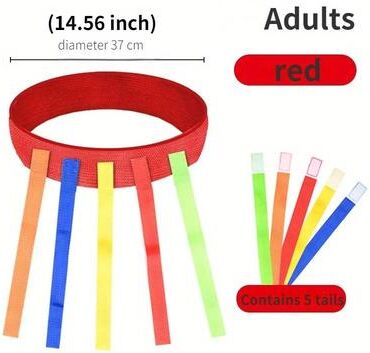
Uplift Essentials Kindergarten Catching Tail Training Belt Active Outdoor Teamwork Game For Kids adults redEncourage active play and social development with the Kindergarten Catching Tail Training Belt, the ultimate outdoor funny game toy belt for highenergy fun. This vibrant training equipment is designed to get children moving, helping them develop...35,97 $*Shipping: 0,00 $Secure redirect to the provider
-
What are cuttings?
Cuttings are a method of plant propagation where a piece of a plant, typically a stem or leaf, is cut from the parent plant and placed in soil or water to grow roots and develop into a new plant. This technique is commonly used to create new plants that are genetically identical to the parent plant. Cuttings are a popular and effective way to propagate a wide variety of plants, including herbs, houseplants, and shrubs. **
-
Can cuttings be made here?
Yes, cuttings can be made here. By taking a cutting from a healthy plant and placing it in water or soil, it can develop roots and grow into a new plant. It is important to ensure that the cutting has enough nutrients, light, and moisture to support its growth. With proper care and attention, cuttings can successfully be made in this location. **
-
Do cuttings get brown spots?
Yes, cuttings can develop brown spots for a variety of reasons. Brown spots can be a sign of overwatering, underwatering, or fungal or bacterial infections. It's important to monitor the moisture levels of the soil and ensure proper drainage to prevent overwatering. Additionally, keeping the cutting in a well-ventilated area and avoiding overcrowding can help prevent fungal or bacterial infections that can cause brown spots. Regularly inspecting the cuttings for any signs of disease or stress can help address any issues before they become more severe. **
-
Which currant cuttings are which?
Red currant cuttings are typically thinner and more flexible, with a reddish-brown color. Black currant cuttings are thicker and stiffer, with a darker brown color. White currant cuttings are similar in appearance to red currant cuttings, but may have a slightly lighter color. It's important to properly identify the cuttings to ensure they are planted in the correct location and given the appropriate care. **
Similar search terms for Cuttings
-
HPE Networking Instant On AP22 Wi-Fi 6 Access PointWall or ceiling-mountable Wi-Fi 6 access point supporting dual-band operation (2.4 GHz and 5 GHz) with maximum data rates of 574 Mbps and 1.2 Gbps respectively. Powered by PoE connectivity and includes Bluetooth support, delivering enterprise-grade wireless coverage for indoor spaces in a compact 16x16x3.7cm form factor.127,49 £*Shipping: 0,00 £Secure redirect to the provider
-
DC Comics Batman Silk Touch Throw Blanket Hooray For Teamwork"Indulge in ultimate comfort and softness with Warner Bros. DC Batman ""Hooray for Teamwork"" Silk Touch Blanket. Made from 100% polyester, this blanket is silky smooth to the touch and provides the perfect amount of warmth."41,49 $*Shipping: 0,00 $Secure redirect to the provider
-
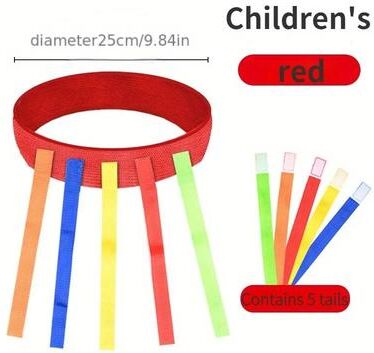
Uplift Essentials Kindergarten Catching Tail Training Belt Active Outdoor Teamwork Game For Kids children redEncourage active play and social development with the Kindergarten Catching Tail Training Belt, the ultimate outdoor funny game toy belt for highenergy fun. This vibrant training equipment is designed to get children moving, helping them develop...34,97 $*Shipping: 0,00 $Secure redirect to the provider
-
How do I propagate rose cuttings?
To propagate rose cuttings, start by selecting a healthy stem from a mature rose plant. Cut a 6-8 inch piece of the stem at a 45-degree angle just below a leaf node. Remove the leaves from the bottom half of the cutting and dip the cut end in rooting hormone. Plant the cutting in a pot filled with a well-draining soil mix and water it thoroughly. Place the pot in a warm, bright location with indirect sunlight and keep the soil consistently moist. After a few weeks, roots should start to form, and you can transplant the cutting into a larger pot or into the garden. **
-
How can plant cuttings be transported?
Plant cuttings can be transported by placing them in a plastic bag with a damp paper towel to keep them moist. The bag can then be sealed to create a humid environment for the cuttings. Another method is to wrap the cuttings in damp sphagnum moss and then place them in a plastic bag. It's important to keep the cuttings protected from extreme temperatures and to transport them as quickly as possible to minimize stress on the plants. **
-
How do you properly fertilize cuttings?
To properly fertilize cuttings, it is important to use a diluted, balanced liquid fertilizer. Mix the fertilizer with water according to the instructions on the label, and then apply it to the soil around the cuttings. It is important to avoid over-fertilizing, as this can damage the delicate roots of the cuttings. Additionally, it is best to fertilize cuttings sparingly, as they are more sensitive to fertilizer than established plants. **
-
How do you fertilize cuttings properly?
To fertilize cuttings properly, it is important to use a diluted, balanced liquid fertilizer. Make sure to follow the instructions on the fertilizer package for the correct dilution ratio. It is best to fertilize the cuttings sparingly, as they are more sensitive to over-fertilization. Additionally, avoid fertilizing newly planted cuttings until they have established roots to prevent burning or damaging the delicate roots. **
* All prices are inclusive of VAT and, if applicable, plus shipping costs. The offer information is based on the details provided by the respective shop and is updated through automated processes. Real-time updates do not occur, so deviations can occur in individual cases. ** Note: Parts of this content were created by AI.