Buy mlm1.eu ?
We are moving the project
mlm1.eu .
Are you interested in purchasing the domain
mlm1.eu ?
domain@kv-gmbh.de · 0541-91531010
Buy mlm1.eu ?
What is creatine needed for during training?
Creatine is needed during training to help provide energy for high-intensity, short-duration activities such as weightlifting or sprinting. It helps regenerate ATP, the primary energy source for muscle contractions, allowing for increased strength and power output. Creatine also aids in muscle recovery by reducing muscle damage and inflammation, which can help improve overall performance and training adaptations. **
Should one take creatine during EMS training?
It is generally safe to take creatine during EMS training, as long as it is done in moderation and under the guidance of a healthcare professional. Creatine can help improve muscle strength and endurance, which can complement the effects of EMS training. However, it is important to stay well-hydrated while taking creatine, as it can cause dehydration. It is also important to be aware of any potential interactions with other medications or supplements that you may be taking. Consulting with a healthcare professional before starting creatine supplementation during EMS training is recommended. **


Similar search terms for Creatine
Top-Angebote
Products related to Creatine:
-
HPE Networking Instant On AP22 Wi-Fi 6 Access PointWall or ceiling-mountable Wi-Fi 6 access point supporting dual-band operation (2.4 GHz and 5 GHz) with maximum data rates of 574 Mbps and 1.2 Gbps respectively. Powered by PoE connectivity and includes Bluetooth support, delivering enterprise-grade wireless coverage for indoor spaces in a compact 16x16x3.7cm form factor.127,49 £*Shipping: 0,00 £Secure redirect to the provider


-
What is better: Creatine Monohydrate or a Creatine Blend?
Creatine Monohydrate is often considered the best form of creatine due to its high purity and effectiveness in increasing muscle strength and size. Creatine blends, on the other hand, may contain a combination of different types of creatine, which could potentially offer additional benefits. However, the effectiveness of creatine blends may vary depending on the specific ingredients and their concentrations. Ultimately, the choice between Creatine Monohydrate and a Creatine Blend depends on individual preferences and goals. **
-
What is the difference between creatine and creatine monohydrate?
Creatine is a naturally occurring compound found in small amounts in certain foods, while creatine monohydrate is a specific form of creatine that has been widely studied and used as a dietary supplement. Creatine monohydrate is the most common and well-researched form of creatine, and it is often used by athletes and bodybuilders to improve muscle strength and power. Other forms of creatine, such as creatine ethyl ester or buffered creatine, have been developed to improve absorption, but creatine monohydrate remains the most popular and effective form. **
-
What happens to creatine during a training break?
During a training break, the body's creatine levels will gradually decrease. This is because creatine is stored in the muscles and used as a quick source of energy during high-intensity exercise. Without regular training, the muscles do not need as much creatine, so the levels will naturally decrease over time. However, once training resumes, the body can replenish its creatine stores through supplementation or dietary sources. **
-
Is creatine recommended?
Creatine is a popular supplement that is commonly used by athletes and bodybuilders to improve performance and increase muscle mass. It is generally considered safe and effective when used as directed. However, it is important to consult with a healthcare professional before starting any new supplement regimen to ensure it is appropriate for your individual needs and health status. **

When should one take creatine, before or after training?
It is generally recommended to take creatine after training. This is because creatine helps replenish the energy stores in your muscles that are depleted during exercise, aiding in muscle recovery and growth. Taking creatine after training can also help enhance the uptake of creatine into the muscles, maximizing its benefits. However, some people may also choose to take creatine before training to help increase their energy levels and performance during their workout. Ultimately, the timing of creatine intake can vary based on individual preferences and goals. **
What effect does creatine have on low-intensity training?
Creatine has been shown to have a positive effect on low-intensity training by increasing the availability of energy in the muscles. This can lead to improved endurance and performance during low-intensity activities such as walking, cycling, or light resistance training. Additionally, creatine supplementation may help to speed up recovery and reduce muscle fatigue during low-intensity exercise, allowing individuals to train for longer periods of time. Overall, creatine can enhance the benefits of low-intensity training by providing the muscles with additional energy and support. **
Top-Angebote
Products related to Creatine:
-
Vitafor Creafort Creapure Creatine Powder Food Supplement 300gA food supplement. Unleash peak performance with Creafort ® Creapure ® Creatine Powder Food Supplement – the high-purity supplement trusted by athletes. Enhances power and endurance during high-intensity workouts. Promotes muscle maintenance for active adults over 50. 100% Creapure ® German-made purity.32,79 £*Shipping: 7,11 £Secure redirect to the provider
-
Uplift Essentials Kindergarten Catching Tail Training Belt Active Outdoor Teamwork Game For Kids children blueEncourage active play and social development with the Kindergarten Catching Tail Training Belt, the ultimate outdoor funny game toy belt for highenergy fun. This vibrant training equipment is designed to get children moving, helping them develop...34,97 $*Shipping: 0,00 $Secure redirect to the provider
-
What is creatine needed for during training?
Creatine is needed during training to help provide energy for high-intensity, short-duration activities such as weightlifting or sprinting. It helps regenerate ATP, the primary energy source for muscle contractions, allowing for increased strength and power output. Creatine also aids in muscle recovery by reducing muscle damage and inflammation, which can help improve overall performance and training adaptations. **
-
Should one take creatine during EMS training?
It is generally safe to take creatine during EMS training, as long as it is done in moderation and under the guidance of a healthcare professional. Creatine can help improve muscle strength and endurance, which can complement the effects of EMS training. However, it is important to stay well-hydrated while taking creatine, as it can cause dehydration. It is also important to be aware of any potential interactions with other medications or supplements that you may be taking. Consulting with a healthcare professional before starting creatine supplementation during EMS training is recommended. **
-
What is better: Creatine Monohydrate or a Creatine Blend?
Creatine Monohydrate is often considered the best form of creatine due to its high purity and effectiveness in increasing muscle strength and size. Creatine blends, on the other hand, may contain a combination of different types of creatine, which could potentially offer additional benefits. However, the effectiveness of creatine blends may vary depending on the specific ingredients and their concentrations. Ultimately, the choice between Creatine Monohydrate and a Creatine Blend depends on individual preferences and goals. **
-
What is the difference between creatine and creatine monohydrate?
Creatine is a naturally occurring compound found in small amounts in certain foods, while creatine monohydrate is a specific form of creatine that has been widely studied and used as a dietary supplement. Creatine monohydrate is the most common and well-researched form of creatine, and it is often used by athletes and bodybuilders to improve muscle strength and power. Other forms of creatine, such as creatine ethyl ester or buffered creatine, have been developed to improve absorption, but creatine monohydrate remains the most popular and effective form. **
Similar search terms for Creatine
-
HPE Networking Instant On AP22 Wi-Fi 6 Access PointWall or ceiling-mountable Wi-Fi 6 access point supporting dual-band operation (2.4 GHz and 5 GHz) with maximum data rates of 574 Mbps and 1.2 Gbps respectively. Powered by PoE connectivity and includes Bluetooth support, delivering enterprise-grade wireless coverage for indoor spaces in a compact 16x16x3.7cm form factor.127,49 £*Shipping: 0,00 £Secure redirect to the provider
-
DC Comics Batman Silk Touch Throw Blanket Hooray For Teamwork"Indulge in ultimate comfort and softness with Warner Bros. DC Batman ""Hooray for Teamwork"" Silk Touch Blanket. Made from 100% polyester, this blanket is silky smooth to the touch and provides the perfect amount of warmth."41,49 $*Shipping: 0,00 $Secure redirect to the provider
-
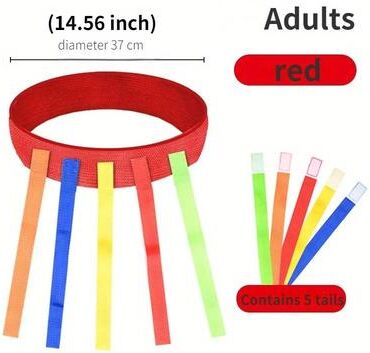
Uplift Essentials Kindergarten Catching Tail Training Belt Active Outdoor Teamwork Game For Kids adults redEncourage active play and social development with the Kindergarten Catching Tail Training Belt, the ultimate outdoor funny game toy belt for highenergy fun. This vibrant training equipment is designed to get children moving, helping them develop...35,97 $*Shipping: 0,00 $Secure redirect to the provider
-
What happens to creatine during a training break?
During a training break, the body's creatine levels will gradually decrease. This is because creatine is stored in the muscles and used as a quick source of energy during high-intensity exercise. Without regular training, the muscles do not need as much creatine, so the levels will naturally decrease over time. However, once training resumes, the body can replenish its creatine stores through supplementation or dietary sources. **
-
Is creatine recommended?
Creatine is a popular supplement that is commonly used by athletes and bodybuilders to improve performance and increase muscle mass. It is generally considered safe and effective when used as directed. However, it is important to consult with a healthcare professional before starting any new supplement regimen to ensure it is appropriate for your individual needs and health status. **
-
When should one take creatine, before or after training?
It is generally recommended to take creatine after training. This is because creatine helps replenish the energy stores in your muscles that are depleted during exercise, aiding in muscle recovery and growth. Taking creatine after training can also help enhance the uptake of creatine into the muscles, maximizing its benefits. However, some people may also choose to take creatine before training to help increase their energy levels and performance during their workout. Ultimately, the timing of creatine intake can vary based on individual preferences and goals. **
-
What effect does creatine have on low-intensity training?
Creatine has been shown to have a positive effect on low-intensity training by increasing the availability of energy in the muscles. This can lead to improved endurance and performance during low-intensity activities such as walking, cycling, or light resistance training. Additionally, creatine supplementation may help to speed up recovery and reduce muscle fatigue during low-intensity exercise, allowing individuals to train for longer periods of time. Overall, creatine can enhance the benefits of low-intensity training by providing the muscles with additional energy and support. **
* All prices are inclusive of VAT and, if applicable, plus shipping costs. The offer information is based on the details provided by the respective shop and is updated through automated processes. Real-time updates do not occur, so deviations can occur in individual cases. ** Note: Parts of this content were created by AI.